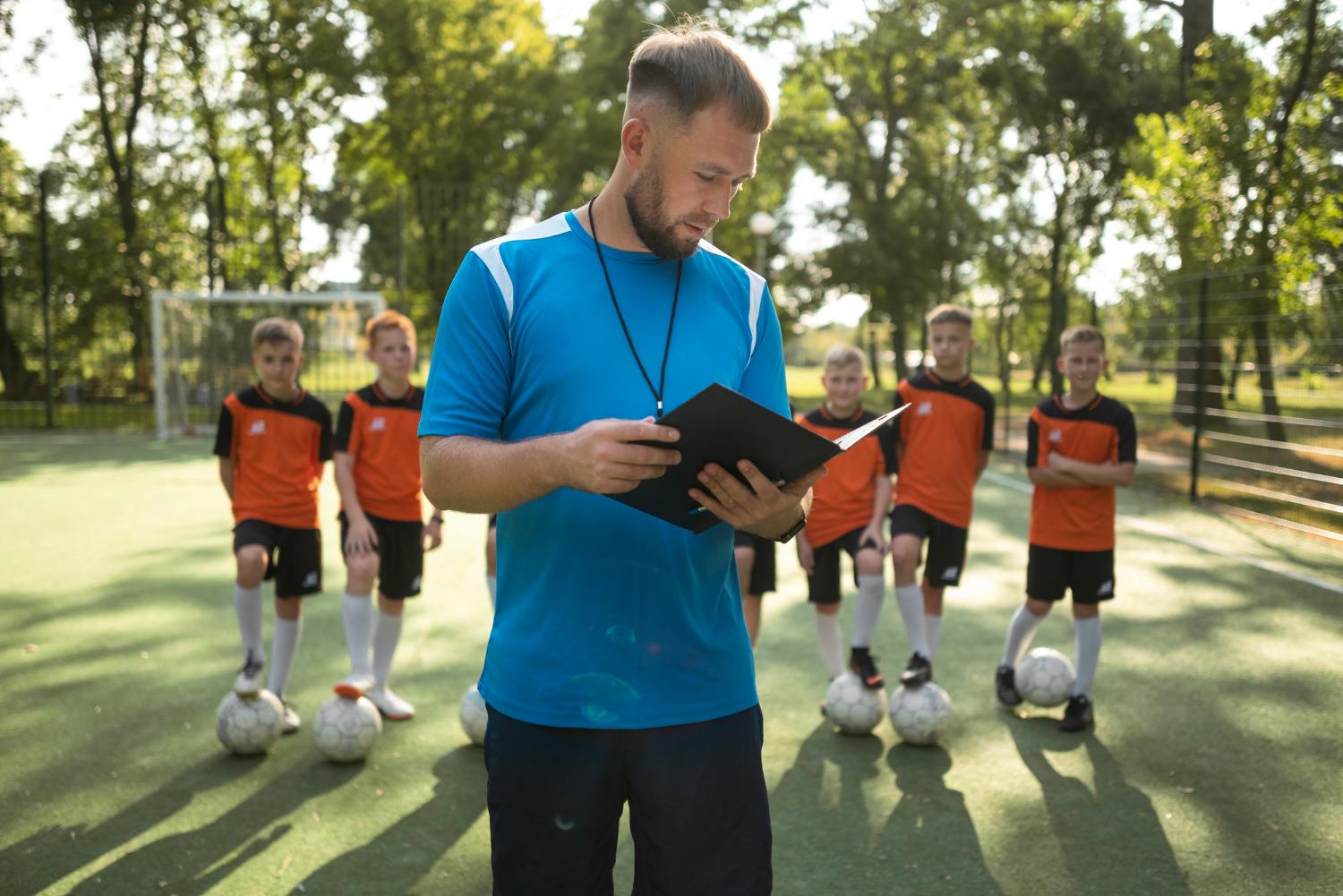
In the world of competitive sports, football stands out not just as a game of skill, but as a test of strategy, teamwork, and personal perseverance. Yet, in the quest to elevate one’s game, the role of a focused football training session cannot be overstressed. This blog post dives into how tailored training can dramatically improve your football skills, boost your in-game intelligence, and refine your physical conditioning.
Understanding the Value of Specialized Training
Focused football training sessions are designed to zero in on specific aspects of a player’s game – be it tackling, passing, dribbling, or shooting. Unlike generalized practice, these sessions offer structured development opportunities, ensuring that players can advance their skills in a concentrated manner. Additionally, when players engage in soccer training sessions, they benefit from a curriculum that adapts to address their weaknesses and enhance their strengths, fostering a well-rounded athletic profile.
Components of Effective Football Training
- Skill Development: At the heart of improving one’s game lies the mastery of fundamental skills. Tailored sessions concentrate on refining these skills through repetition, feedback, and gradual increases in complexity.
- Tactical Awareness: Understanding the strategy of football is crucial. Players who participate in dedicated soccer training sessions learn not just the ‘how’ but the ‘why’ behind certain plays, which in turn enhances their decision-making on the field.
- Physical Conditioning: Football demands a high level of physical fitness. Customized training programs include targeted exercises to improve stamina, strength, and speed, ensuring players can maintain peak performance throughout a match.
- Mental Toughness: The mental aspect of football is often as challenging as the physical. Focused training sessions can include psychological preparation strategies, helping players stay sharp, resilient, and competitive under pressure.
The Proof in the Performance
Statistics and case studies consistently highlight the effectiveness of specialized training. Players who commit to focused football training sessions show marked improvements in their performance metrics. For example, a study conducted on youth players participating in structured soccer training sessions over a season exhibited a 20% improvement in passing accuracy and a 15% increase in overall game awareness compared to their peers who engaged in regular, non-specific practice.
Conclusion: Making the Commitment
For players aspiring to reach new heights in their football careers, the commitment to focused football training sessions is non-negotiable. Whether the goal is to turn professional, earn a college scholarship, or simply to dominate the local league, the role of specialized training cannot be understated. In an era where sports science and training methodologies continue to evolve, embracing structured, targeted practice sessions is the surest path to realizing one’s full potential on the football field.